
The summer of 2016 I spent studying abroad at a small agricultural-engineering university in Toulouse, France. My time studying abroad was one of the most eye opening and rewarding experiences of my college carrier. I ate lots of bread, cheese and of course tried lots of wine but it was the people I met and classes I took that truly left an impression. The program I was a part of brought students from The U.S., Mexico, Lebanon, India, and China to name a few and gave me the unique opportunity to learn not only about each persons different experience as an agricultural student but showed me how much common ground we all shared.
As an animal science student at the University of Florida I got my first taste of the agricultural industry. Learning how the French approached the same practical, economic, and ethical problems brought into light how ubiquitous and complex agricultural issues really are. Though my classes ranged in topics from animal activists and organic food legislature to making beer in a food lab, one of the things that stuck with me the most was learning how closely French culture was integrated into their food industry.
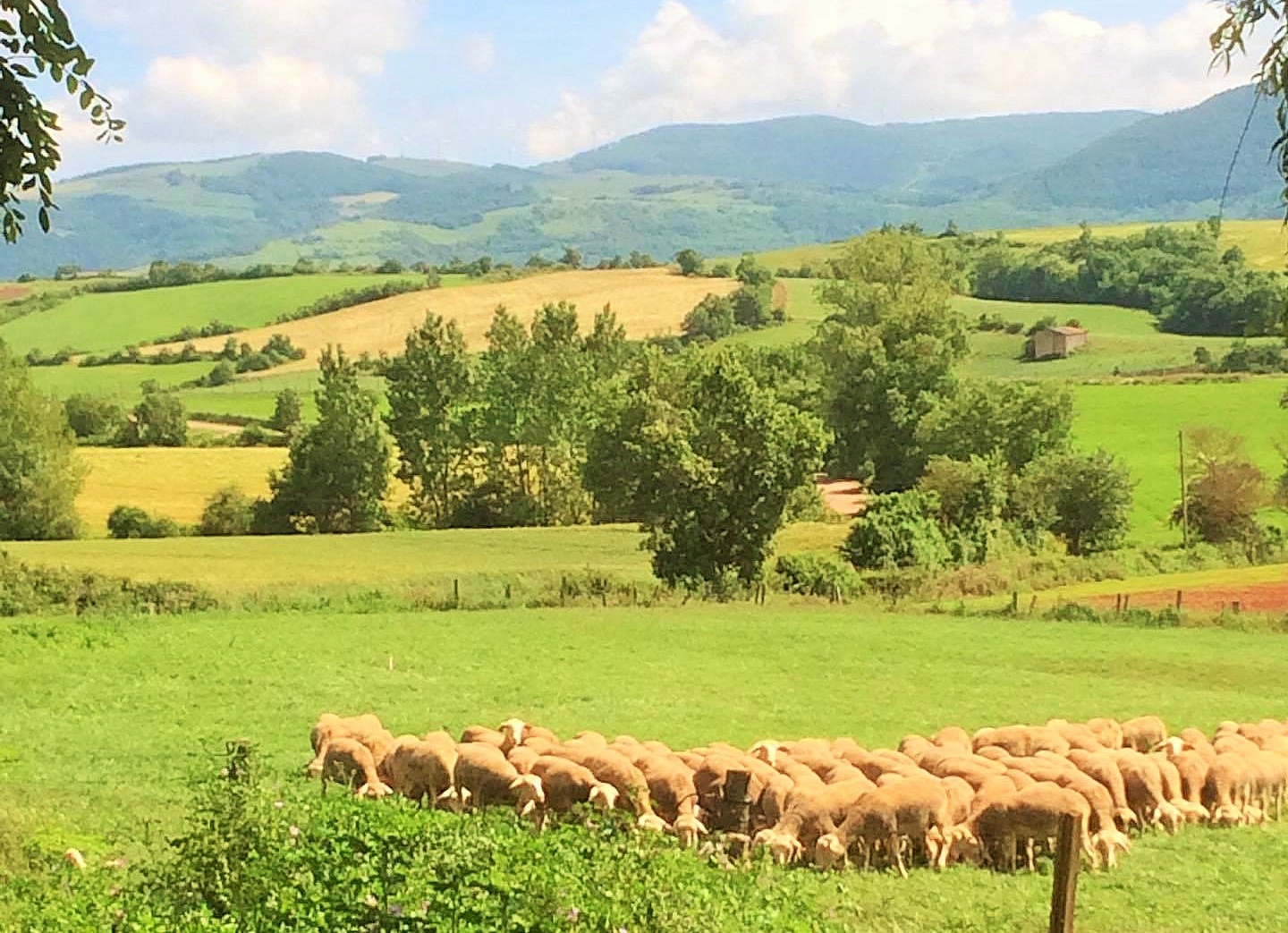
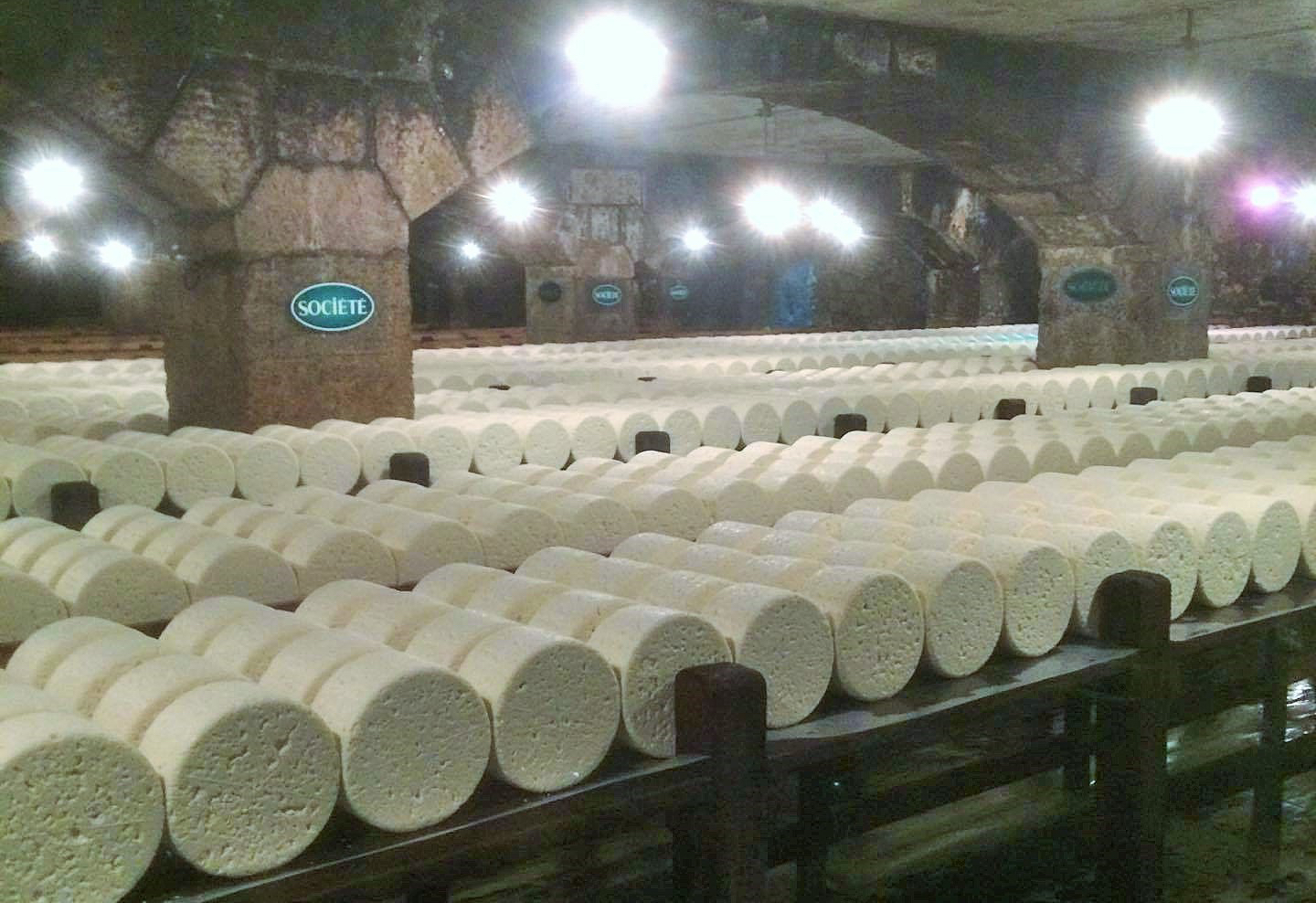
Through my lens of American culture, I had only been exposed to one version of the story. The French place much greater weight on cultural heritage and the preservation of history, something that is not seen to the same extent in the more capitalist context of American commerce. The term “Label of Origin” or in French “Appellation d’Origine Protégée” denotes that all stages of a products development were carried out in the same geographical region that gives the product its unique characteristics. For example, we visited the Rouquefort valley in south France where the sheep who graze the valley grass are milked to create the well-known Société Rouquefort Blue Cheese which must be aged in the natural Combalou caves of the Roquefort-sur-Soulzon. Though blue cheese can be created in many places by many methods, the French preserve the tradition of regional cheese making by restricting the prestigious name Rouquefort to only the blue cheese produced from those mountain caves. Though it may seem silly to be so strict about the labeling, it has allowed the same families to continue their inherited trade of cheese making by preventing outside producers from using the reputation of the name to sell lower quality blue cheeses, thus preserving the quality and culture surrounding the cheese
.
This labeling system is not seen in the United States. Every grocery store has 15 different brands of everything all competing for the same customers. After discovering that Champagne did not refer to any sparkling wine, but meant it came from the very specific region of Champagne, France and is one of the few labels of origin the U.S. has agreed to adhere to, it began to set in that international agricultural trade was so much more than just buying and selling products. There was history, culture, and a good deal of politics wrapped up into every interaction.
The exposure to other country’s perspectives brought me back to the U.S. as a more open minded and enthusiastic student. Though I had come to UF as a girl interested solely in horses and specializing in equine science, the semester abroad actually helped me focus my interests into a minor in agricultural communications, where I am learning how to better bridge the information gap between producer and consumer and perhaps someday between countries as well.
 Zoe Bowden
Leave a comment